Open-ended play roots
Simple wooden play patterns shaped the early identity: food sets, puzzles, blocks, and role-play props that children could use in more than one way.

Melissa And Doug is presented here as a warm, dependable toy partner for homes, classrooms, and specialty retail programs. The brand voice favors patient guidance over hype: clear age stages, durable play patterns, familiar materials, and everyday usefulness. That approach matters because a good toy does more than fill a cart. It invites a child back tomorrow, gives adults a simple reason to say yes, and keeps safety language visible without making the experience feel clinical.
Simple wooden play patterns shaped the early identity: food sets, puzzles, blocks, and role-play props that children could use in more than one way.
Collections became easier for gift buyers and stores to explain, with clearer themes for toddler pretend play, preschool learning, dollhouses, and construction.
The modern assortment combines developmental cues, safety-aware materials, and durable formats so a product page can help rather than overwhelm.
Every collection should answer a real play question: Is the child exploring language, fine motor control, social imagination, spatial thinking, or comforting routines? This keeps descriptions grounded in family life.
Age labels, material notes, and small-parts expectations are not hidden behind decorative copy. They are part of the buying path because caregivers deserve clarity before the toy reaches the playroom.
Durability is treated as a family value. FSC wood cues, sturdy construction, washable soft goods, and timeless pretend-play themes support reuse, hand-me-downs, and classroom rotation.
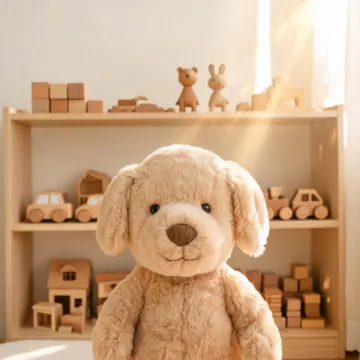
Map toy lines by age, play pattern, and gift need.
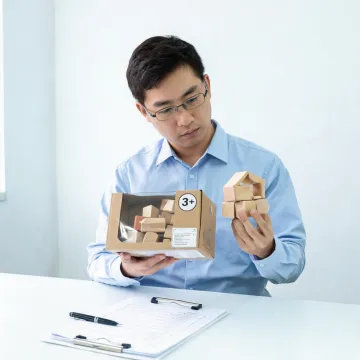
Keep material and age-grade language easy to understand.
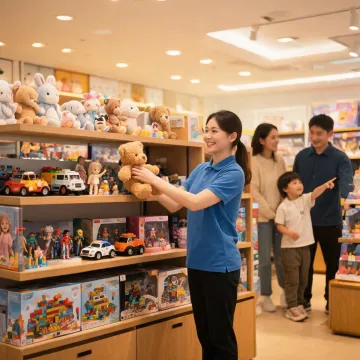
Translate collections into shelf stories and shopping paths.

Write copy that respects caregivers and curious children.
These cues are not decoration. They guide what claims appear near product imagery, what topics customer care can answer, and how buyers compare toys for siblings, classrooms, and gifting moments. The site keeps them visible where they help decisions most.
Tell us whether you are shopping for one child, a classroom, a gift table, or a retail shelf. We will route your question through age stage, category fit, and safety context.